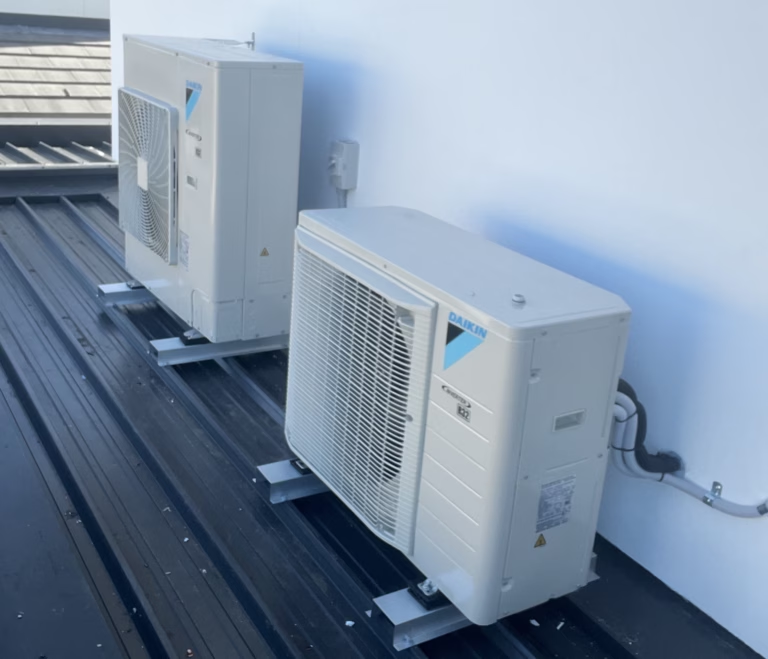
A straightforward back-to-back wall-hung split system installation in Mornington can cost about $3,000 to $5,000. The final price depends on the size of the system and the work required to install it safely and in a suitable position.
Room size is an important factor, but it is not the only one. Insulation, the electrical supply from the switchboard, the length of the installation run, the number of storeys and the position of the indoor and outdoor units can all change the cost. Some installations also need a condensate pump.
For that reason, a price given without assessing the room and the property should only be treated as a general guide.
What affects the cost of a wall-hung split system?
Two homes may need air conditioning in rooms of similar size yet receive different recommendations and prices. The installer also needs to consider the condition of the home and the practical demands of the installation.
The main price factors include:
- the size of the room;
- the heating and cooling capacity required;
- the quality of the insulation;
- the distance of the electrical feed from the switchboard;
- whether the property is single or double storey;
- whether the unit will sit on an internal or external wall;
- the proposed position of the indoor and outdoor units;
- the length and complexity of the installation run; and
- whether a pump is required.
A simple installation with short, accessible runs will sit at a different price point from a double-storey installation where the units are harder to position or connect. This is why the cost of the air conditioner alone does not give an accurate picture of the complete job.
What size split system does a room need?
System size should not be selected from floor area alone. A proper heat load calculation considers the conditions that affect how quickly the room gains or loses heat.
These conditions include the home’s insulation, its orientation and the particular areas being heated or cooled. An efficient, well-insulated home may have different requirements from a less efficient property with the same floor area.
Choosing the largest unit is not a reliable answer. The system needs to suit the actual heating and cooling load of that room or home. This calculation becomes particularly important when planning a whole-home ducted system.
Should you choose wall-hung split systems or ducted heating and cooling?
The right choice starts with the result you want.
A wall-hung split system is well suited to heating and cooling a specific room, such as a bedroom or living area. If only one part of the home needs air conditioning, it can be the more direct option.
A ducted split system is generally better suited to whole-home comfort. It can serve several areas through one system and may include zones, secondary controllers, schedules and phone controls. The available setup will depend on the system selected and the way the home is divided.
The decision is therefore not simply about which system is better. It is about whether you want to control the temperature in one room or across most of the home.
Is a wall-hung split system cheaper to run than ducted air conditioning?
If you only need to heat or cool one room, a correctly sized wall-hung split system will generally cost less to run than conditioning the entire home. You are using the system for a smaller, defined area rather than paying to heat or cool rooms that are not in use.
That comparison changes when the goal is whole-home comfort. In that case, a ducted system may be the more appropriate design because it is intended to serve the full property and can be divided into zones.
Running cost should be considered alongside comfort, coverage and how the household will use the system. A lower purchase price is of little value if the system does not serve the areas that need heating and cooling.
What should be decided before requesting a quote?
Begin with the outcome rather than a preferred unit size. Consider:
- whether you want one room or the whole home heated and cooled;
- which rooms matter most;
- whether separate zones would be useful;
- whether you want simple controls or scheduling and phone access; and
- the budget available for the system and installation.
These decisions give the installer a clearer brief. The property can then be assessed, a heat load calculation completed where required, and a system recommended for the actual conditions.
Frequently asked questions
How much is a back-to-back split system installation in Mornington?
As a general guide, a wall-hung back-to-back split system installation can cost about $3,000 to $5,000. System capacity and installation conditions determine the final price.
Why can split system installation quotes differ so much?
The work required varies between properties. Electrical runs, switchboard access, storeys, wall position, unit location, pipework length, insulation and the need for a pump can all affect the quote.
Is a wall-hung split system suitable for a whole house?
A wall-hung unit is usually selected for a particular room or area. If the goal is consistent heating and cooling across the whole home, a ducted split system is generally the more suitable option.
Is ducted air conditioning always more expensive to run?
Heating and cooling an entire home will generally use more energy than conditioning one room with a correctly sized wall-hung unit. The fair comparison depends on how much of the home you want to use and whether the ducted system is divided into zones.
Can system size be calculated from floor area?
Floor area is only one part of the calculation. Insulation, orientation, home efficiency and the areas being conditioned also affect the heating and cooling load. Each home should be assessed individually.
Get advice based on your home
The $3,000 to $5,000 range is a useful starting point, but it is not a substitute for assessing the room, the proposed unit positions and the electrical requirements.
If you are comparing a wall-hung split system with ducted heating and cooling, contact our team to discuss the areas you want conditioned and arrange an assessment of your home.